SoundEye - LIGHTO
Smart Ceiling Light with Fall Detection Capabilities.
Client Project, 2026.


The Brief.
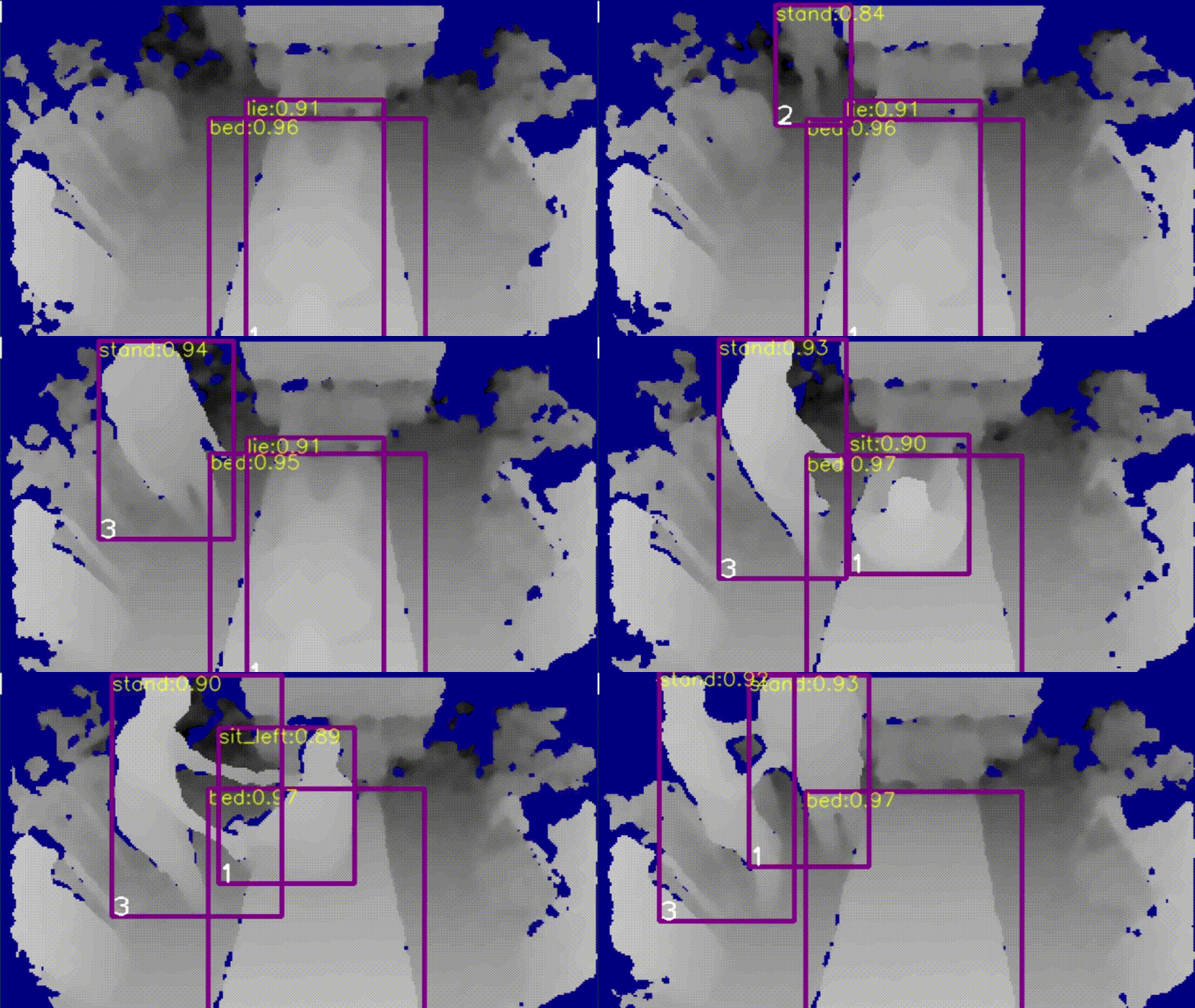
SoundEye is a Singapore-based deep-tech company specialising in AI-powered safety solutions for elderly and disabled care. Its flagship product, LASSO, uses sound recognition and depth imaging technologies to monitor falls, bed exits, and wheelchair movements, enhancing privacy and independence while focusing on improving healthcare safety and dignity.
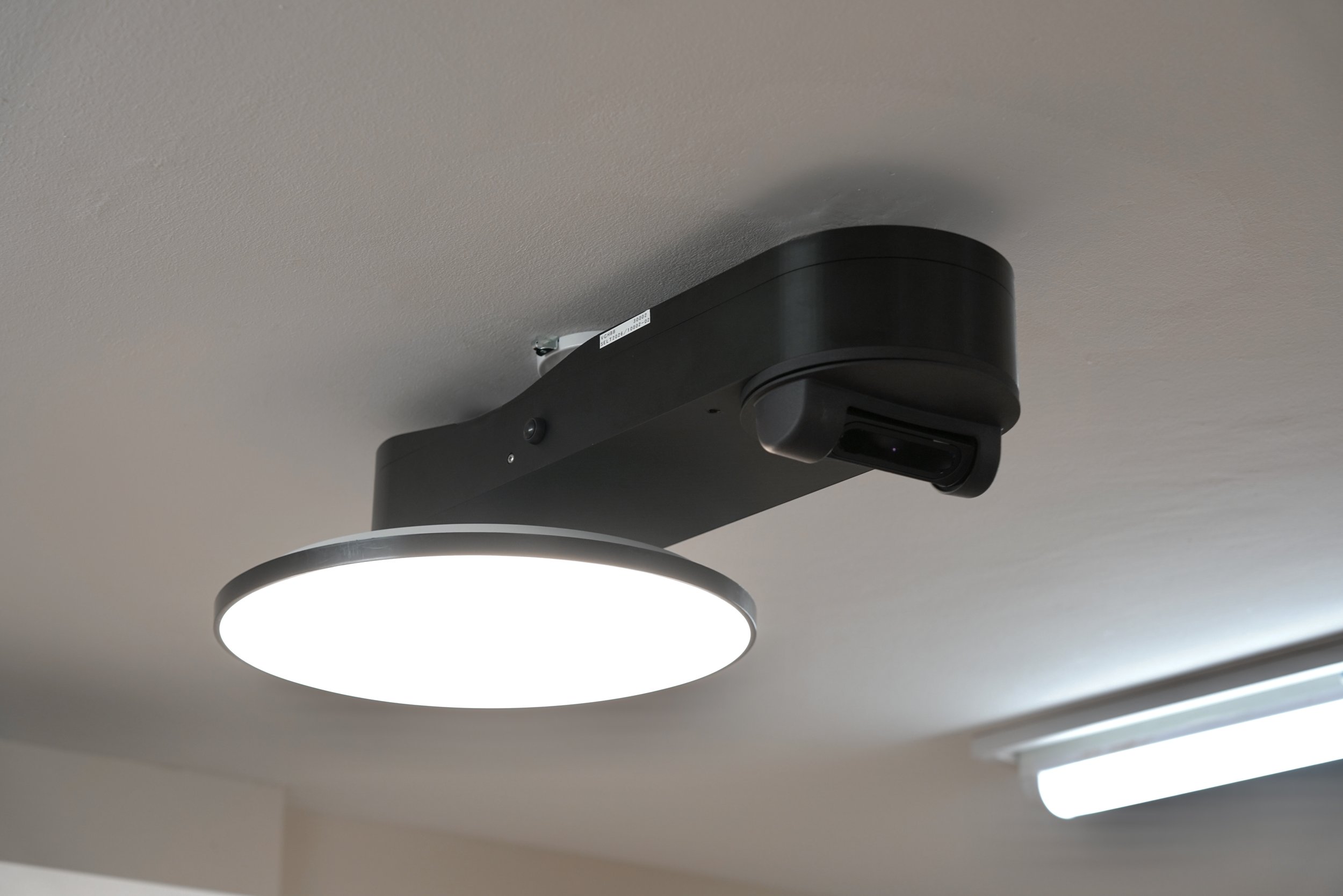
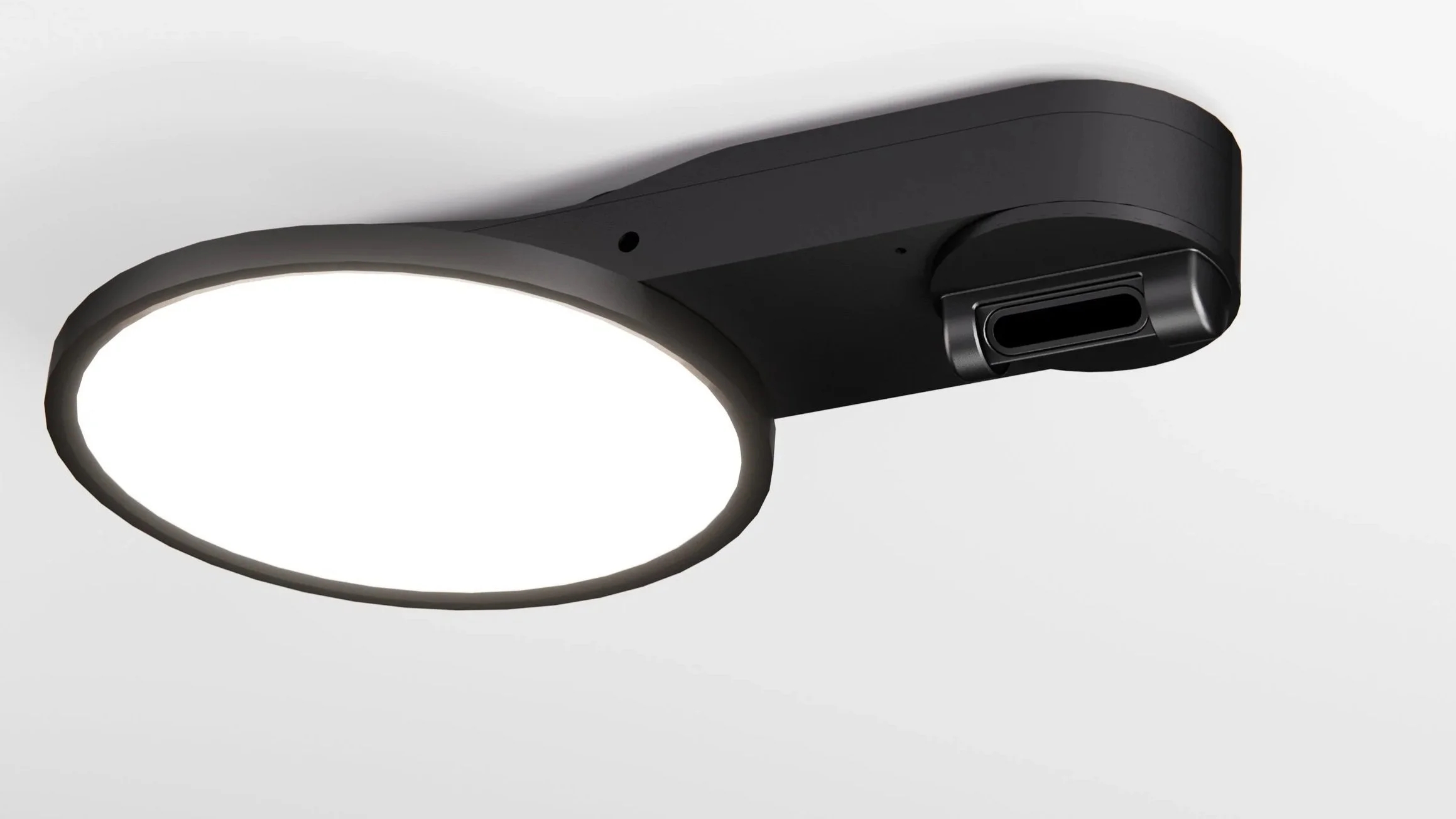
Its newest product, LIGHTO, aims to utilise this technology in the form of a discrete smart ceiling light. SoundEye approached STUCK Design to help design the hardware for LIGHTO. As the sole 3D Designer on this project, I worked together with the SoundEye team to ideate, CAD, fabricate prototypes as well as produce the renders of the final design.
Phase 1 - Ceiling Mount Design:
Design Process:
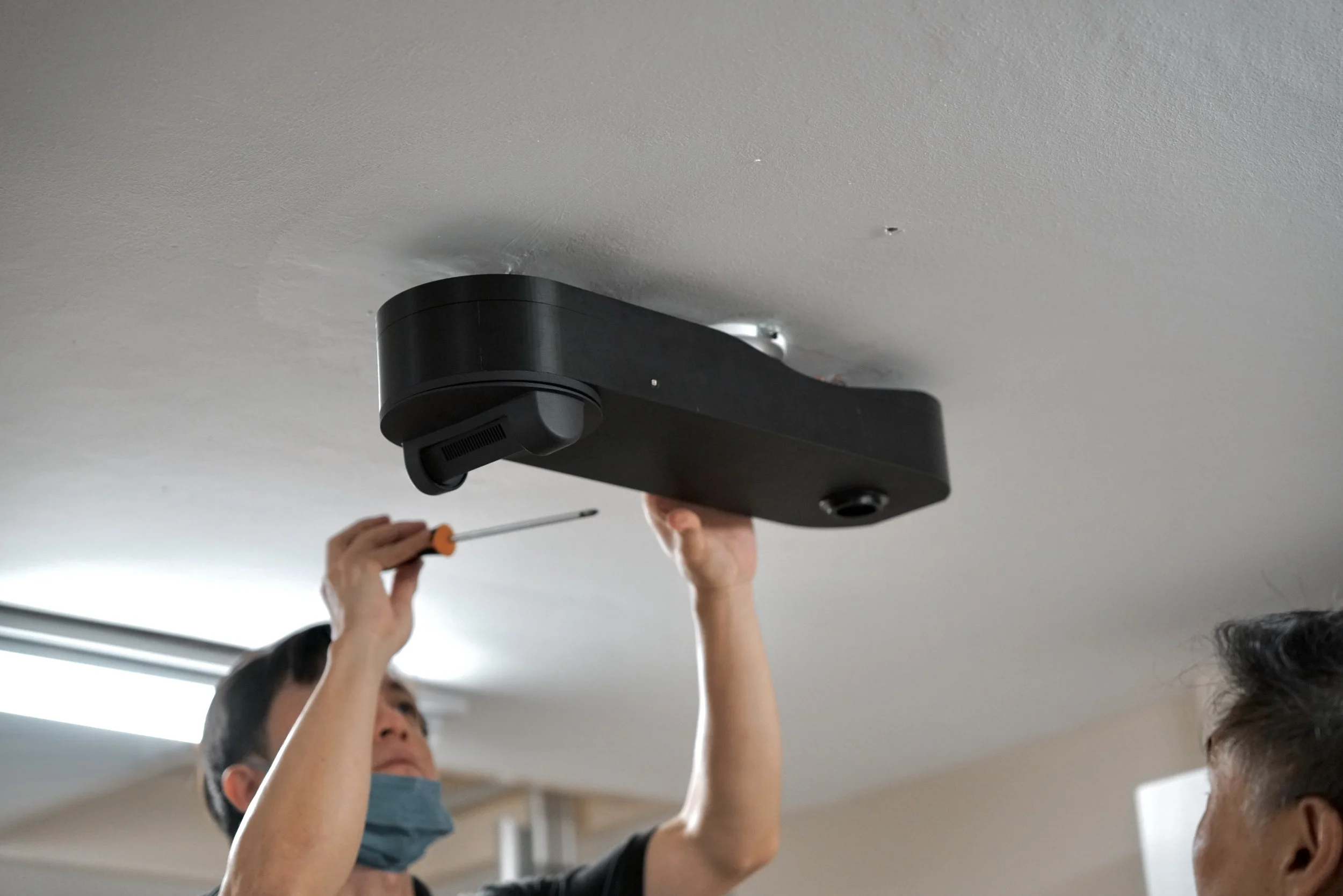
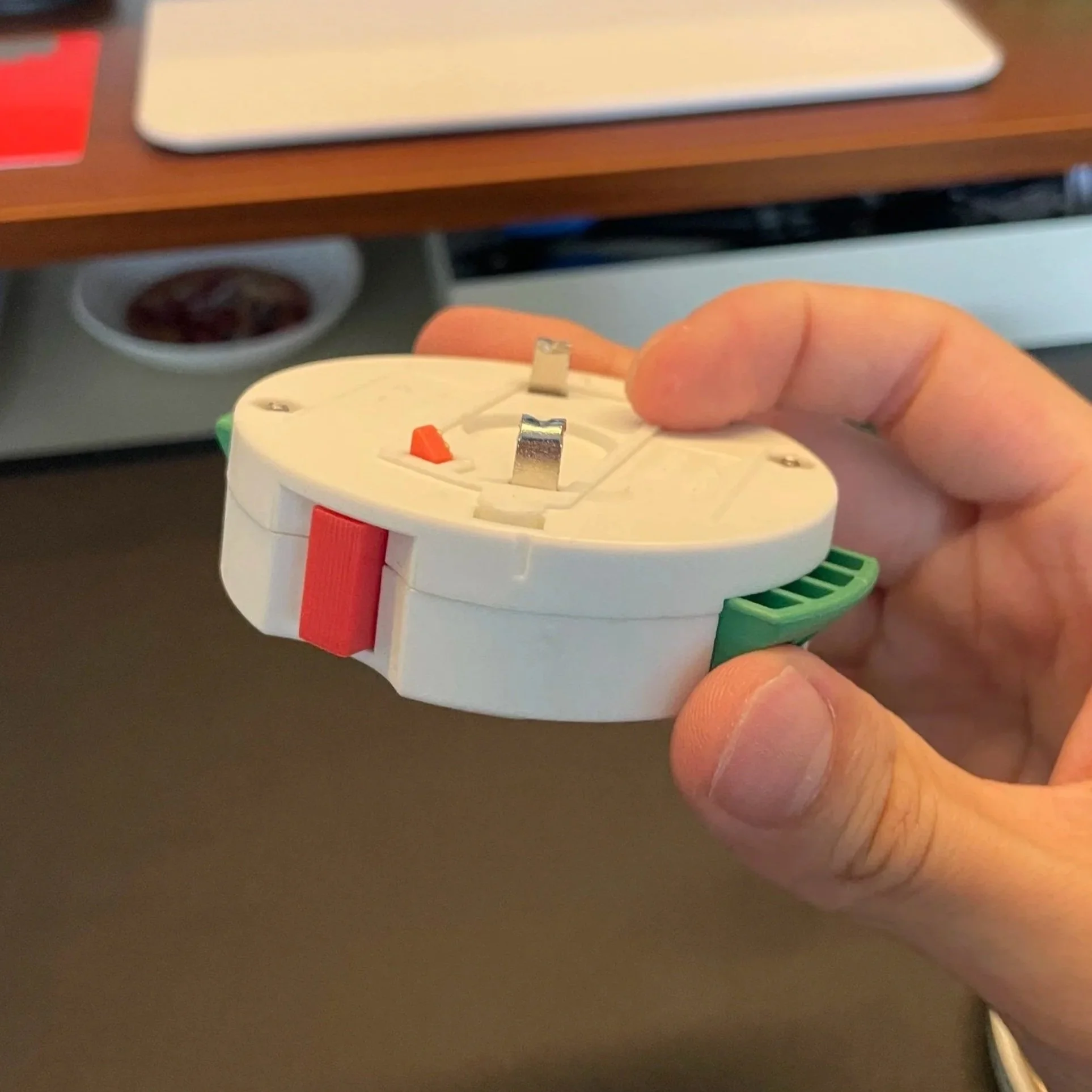
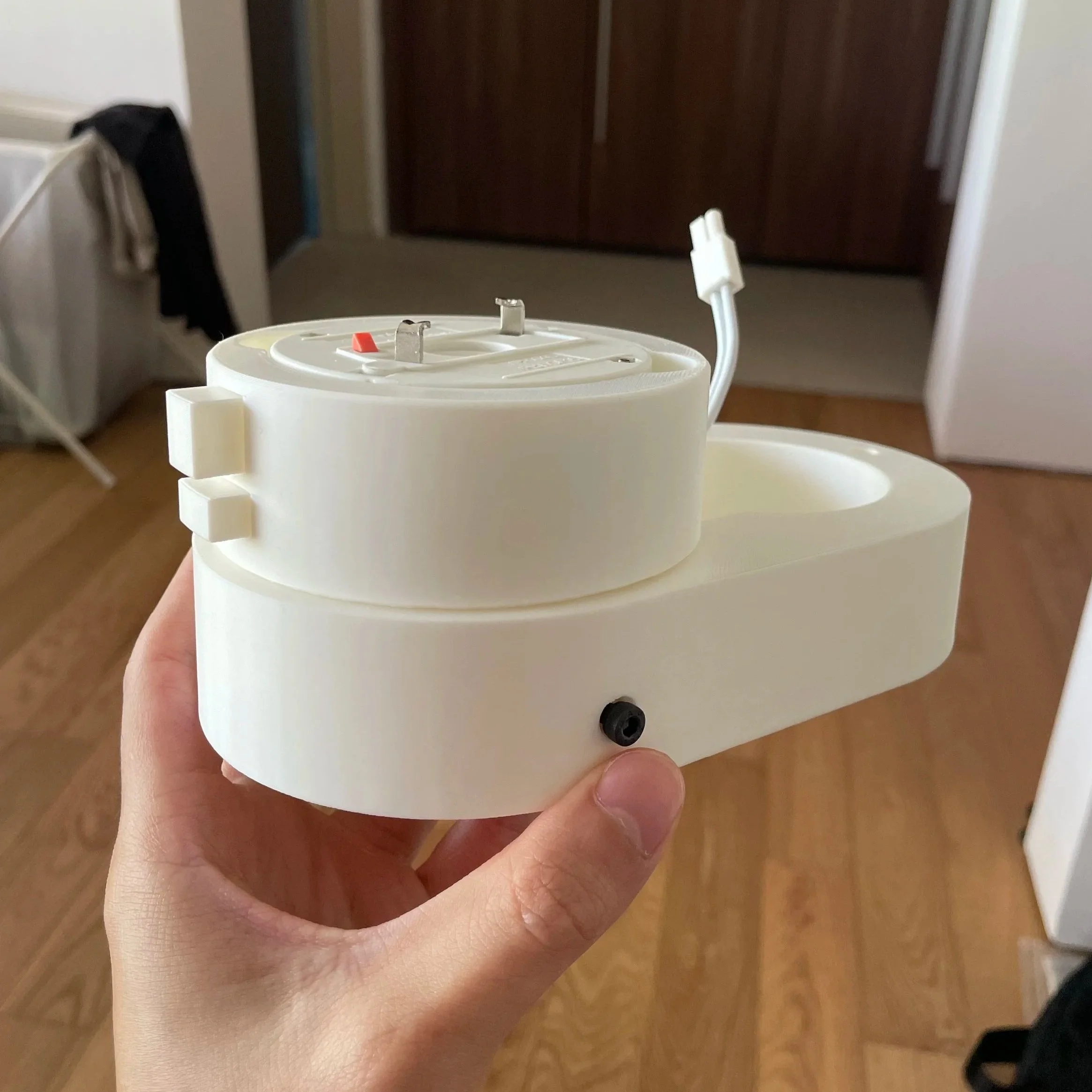
At the onset of this project, a 3D model enclosure had already been produced to house all the internal components of LIGHTO. The first request was to design a suitable ceiling mount attachment that is compatible with an off-the-shelf ceiling adapter from Japan (shown on the top left).
Following the client’s requirements, the ceiling mount attachment was designed to hold the weight of the entire setup, while making the installation process easy through a slide and lock mechanism. The design features rotational adjustability so that the angular position of the LIGHTO enclosure can be tailored to the customer’s liking. An M3 screw and threaded insert act as a locking pin to secure the assembly after adjustment. Buttons were included to release the ceiling adapter from the ceiling, as well as remove it from the assembly.
Challenges:
The initial prototype, while functional, suffered from a number of critical issues:
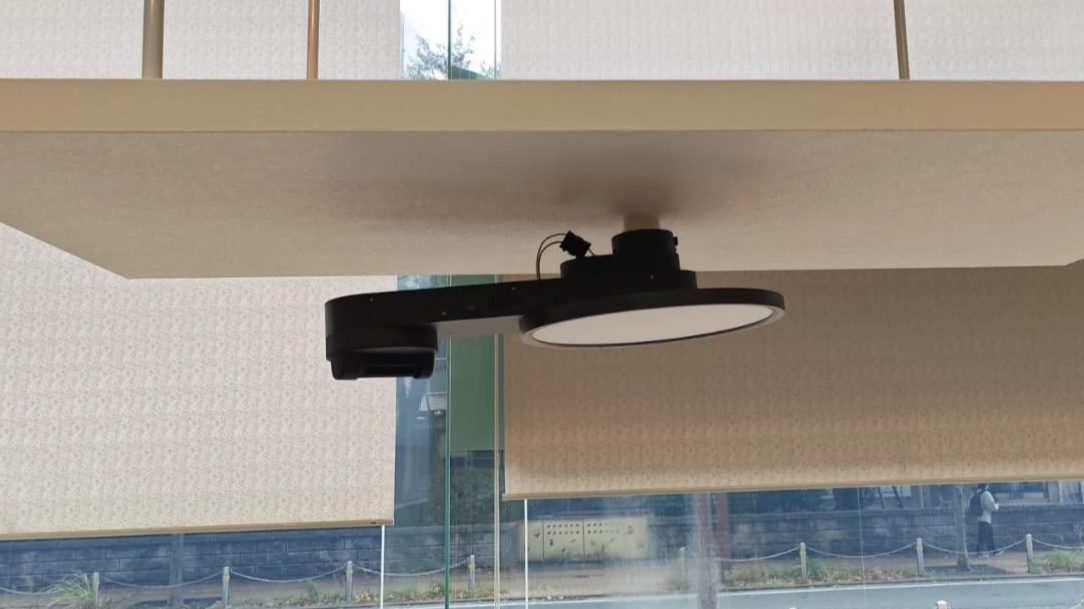
The mass of the sensor and internal components generated a large and unbalanced moment about the ceiling mount point, causing the entire assembly to tilt to one side.
The ceiling mount extrusion created an awkwardly large gap between the enclosure cover and the ceiling plane which compromised the aesthetics of the final product.
The overall weight and associated safety considerations when installing the ceiling light needed improvement.
Phase 2 - Internal Reconstruction:
Moment Equilibrium Calculation:
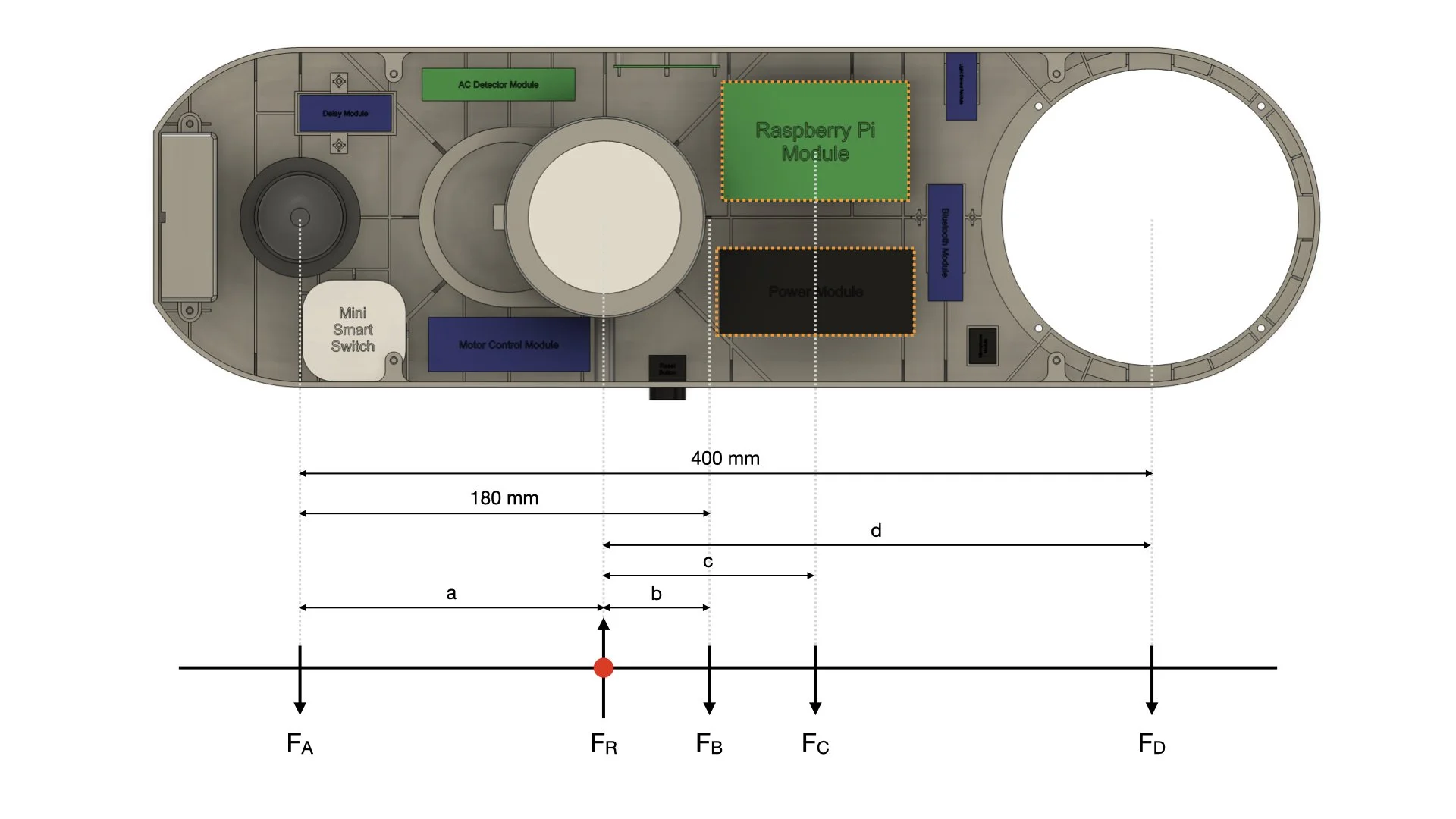
In order to ensure optimal weight distribution about the ceiling mounting point, the anti-clockwise and clockwise moments about the ceiling mount should cancel each other out. A moment equilibrium diagram was created whereby:
F(A): Weight, Ceiling Light
F(B): Weight, Enclosure (Centre of Mass)
F(C): Weight, Raspberry Pi + Power Module
F(D): Weight, Sensor + Motor Assembly
F(R): Reaction Force, Ceiling Mount
From there, the derived dimensions were used to reconstruct the internal layout of the internal components. The individual dimensions and masses of each of the internal components were taken into consideration, and a block assembly was produced to ensure optimal spacing between the components for functional use.
Design for Space Optimisation:
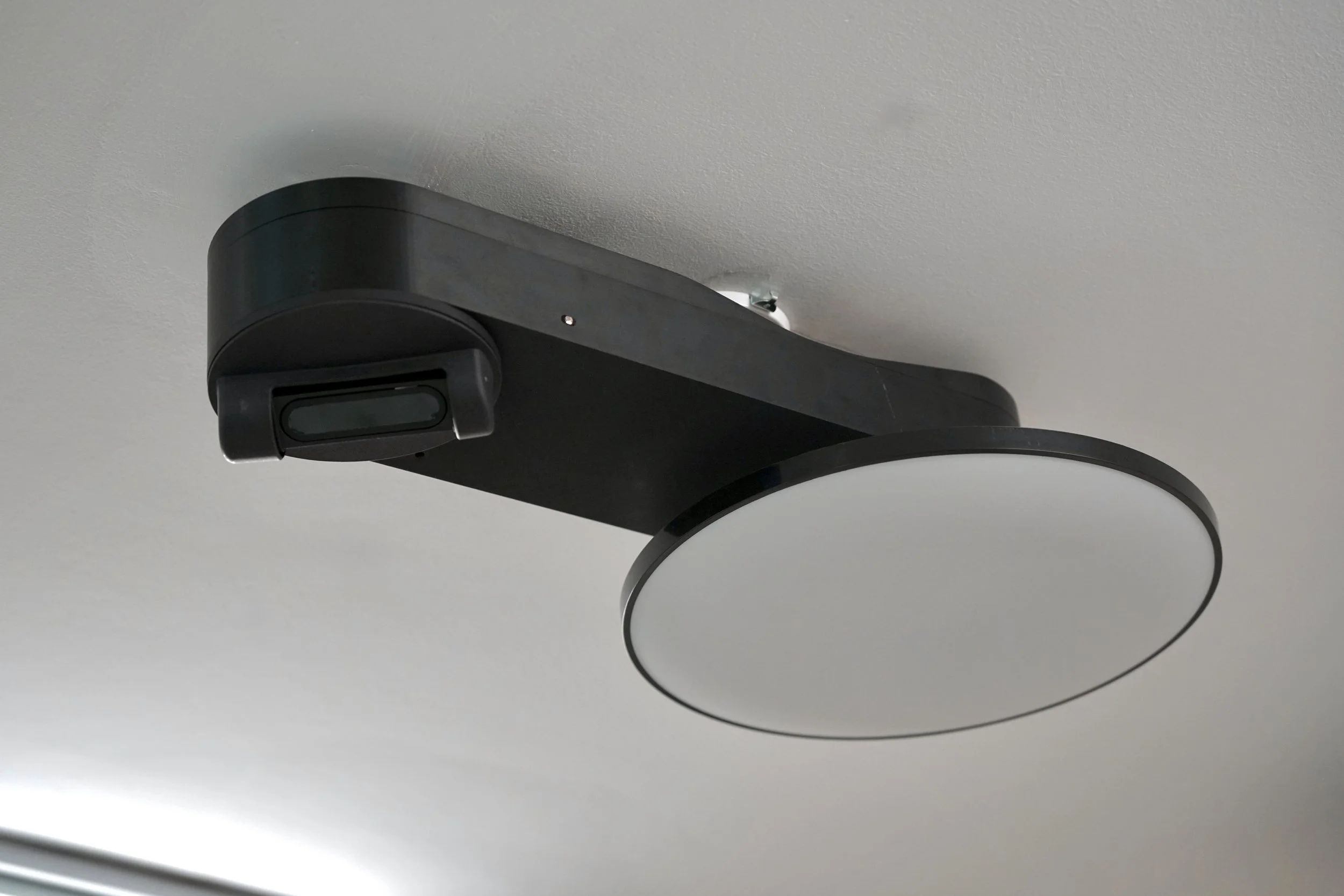
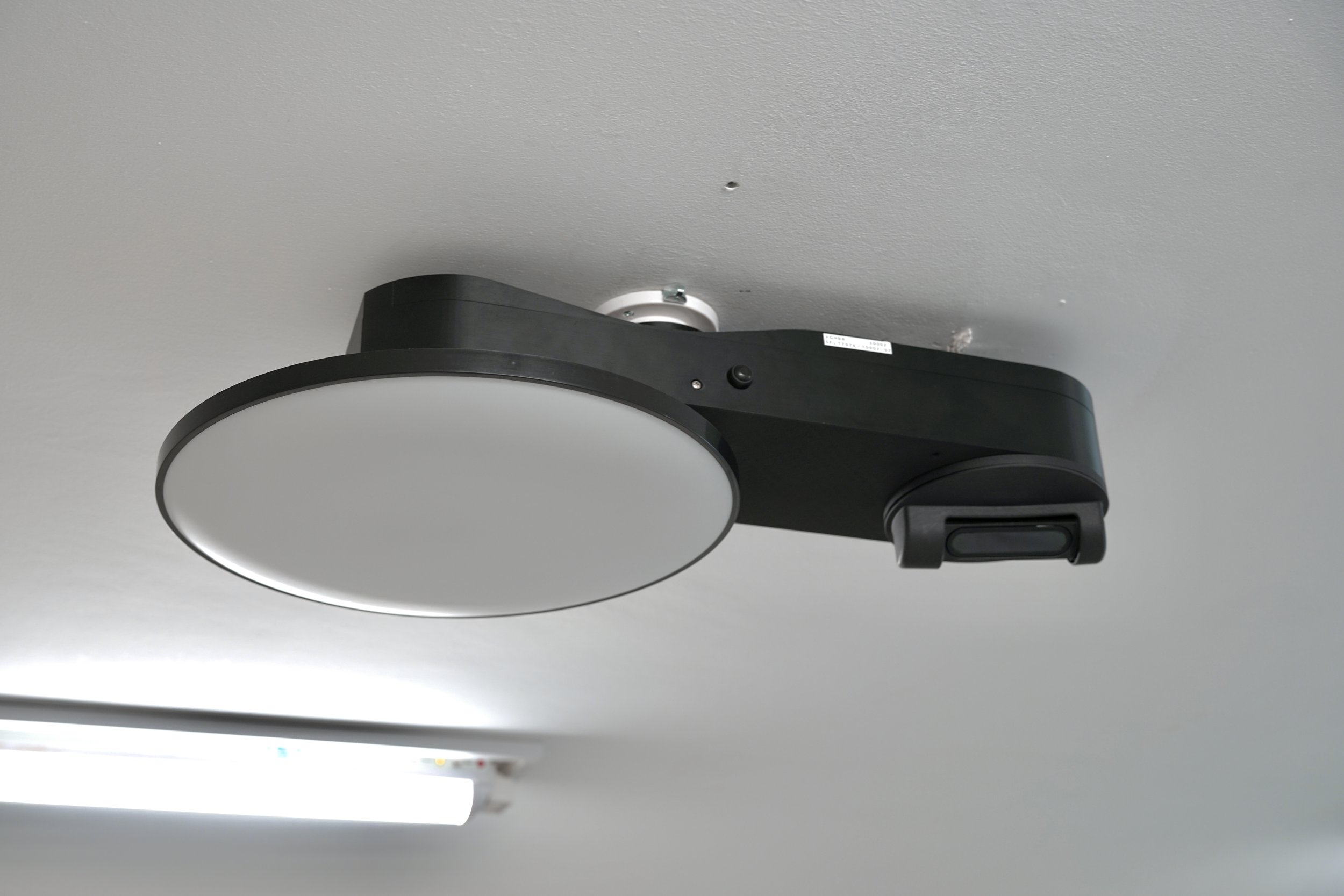
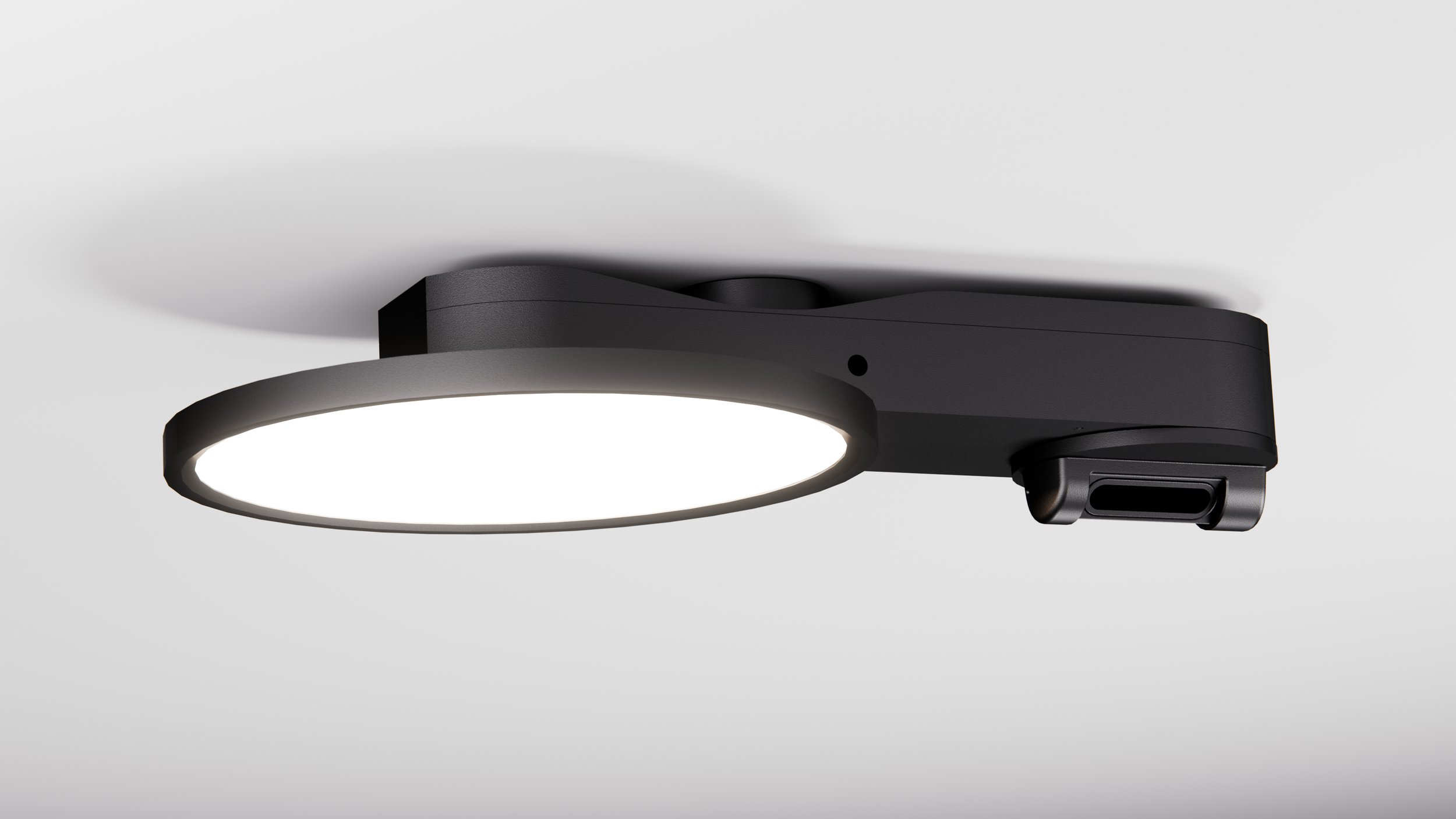
In addition to optimising the weight balance of LIGHTO, the internal reconstruction also aimed to make the overall design more compact than before. The ceiling mount and sensor protrusions were reduced through the rearrangement of internal components within the enclosure, while maintaining the same overall length and width.
The previously flat top cover was now redesigned into a curved surface which slopes up to accommodate more components while providing access to the ceiling mount adapter in the middle. This new design also drastically decreased the gap between the top of the enclosure and the surface of the ceiling.
Final Render:
Prototype Showcase:
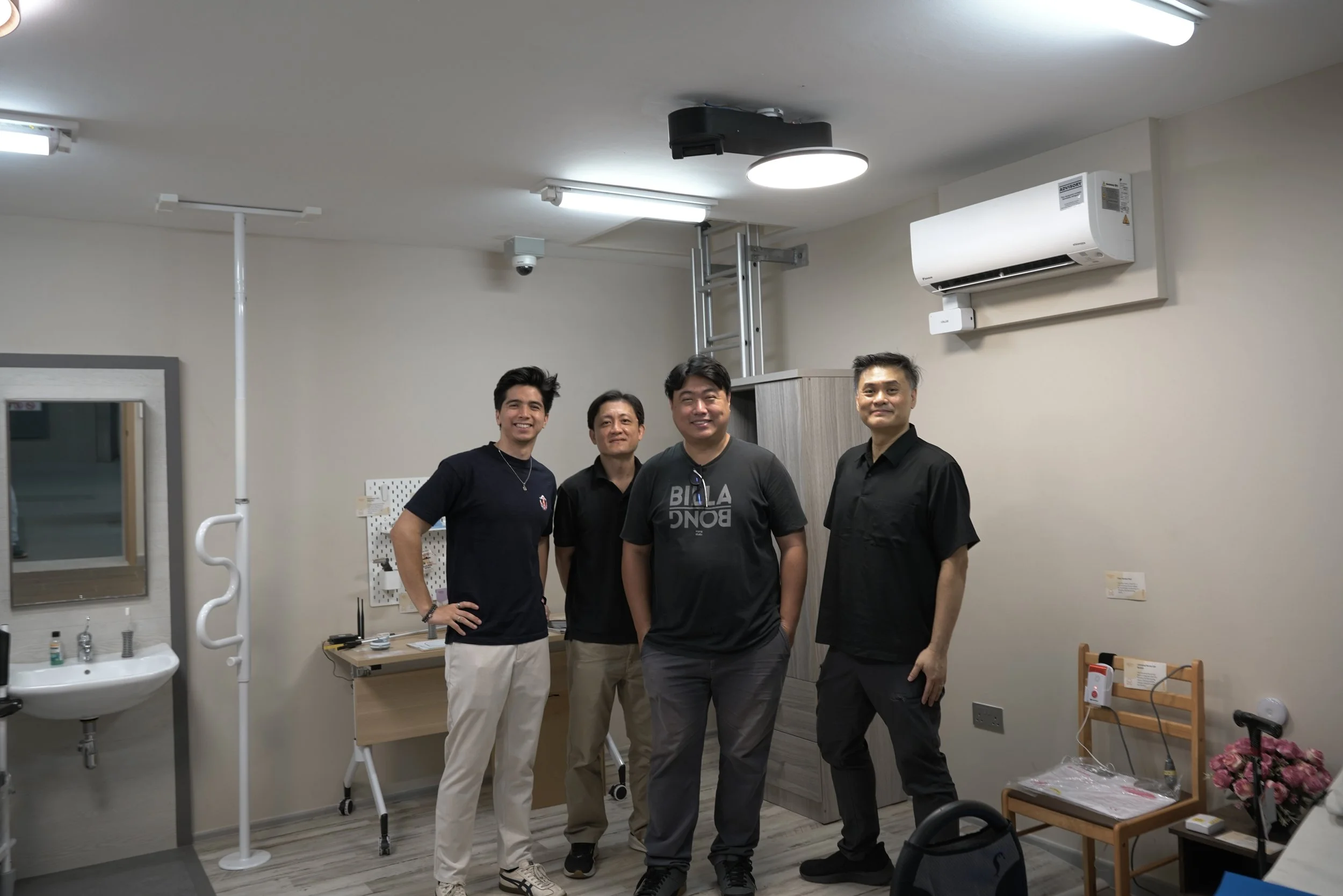
Vanguard Healthcare (Assisted Living) Age+ Living Lab, Harmony Village @ Bukit Batok, Singapore.